
TIME TO READ: 2 MINUTES
“Good artists borrow, great artists steal”
Pablo Picasso
How do we value what is human-made versus what is machine-made?
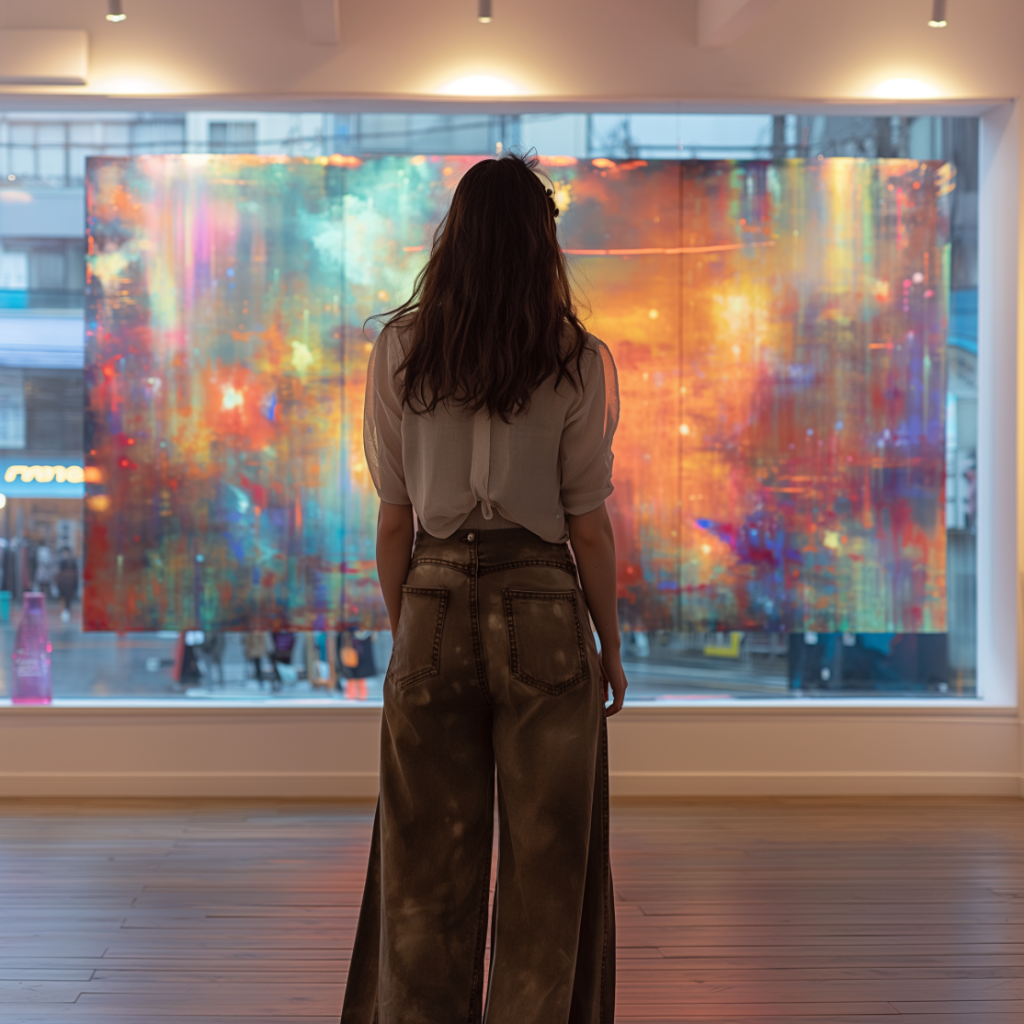
I took a trip to the recently refurbished Burrell Collection in Glasgow and marveled at the skill and the talent of creators who lived many hundreds and in some cases thousands of years ago. Each piece, whether an impressive life-size monk sitting in contemplation titled ” The Figure of a Luohan” from the Ming Dynasty of 1484, to the miniature of Auguste Rodin’s Thinker from 1880, to the light immediacy of The Red Ballet Skirts by Edgar Degas from 1900, was a joy. I couldn’t help but feel connected to the creator’s imagination, skill, and life experience they had brought to their art. Every piece had a story behind it.
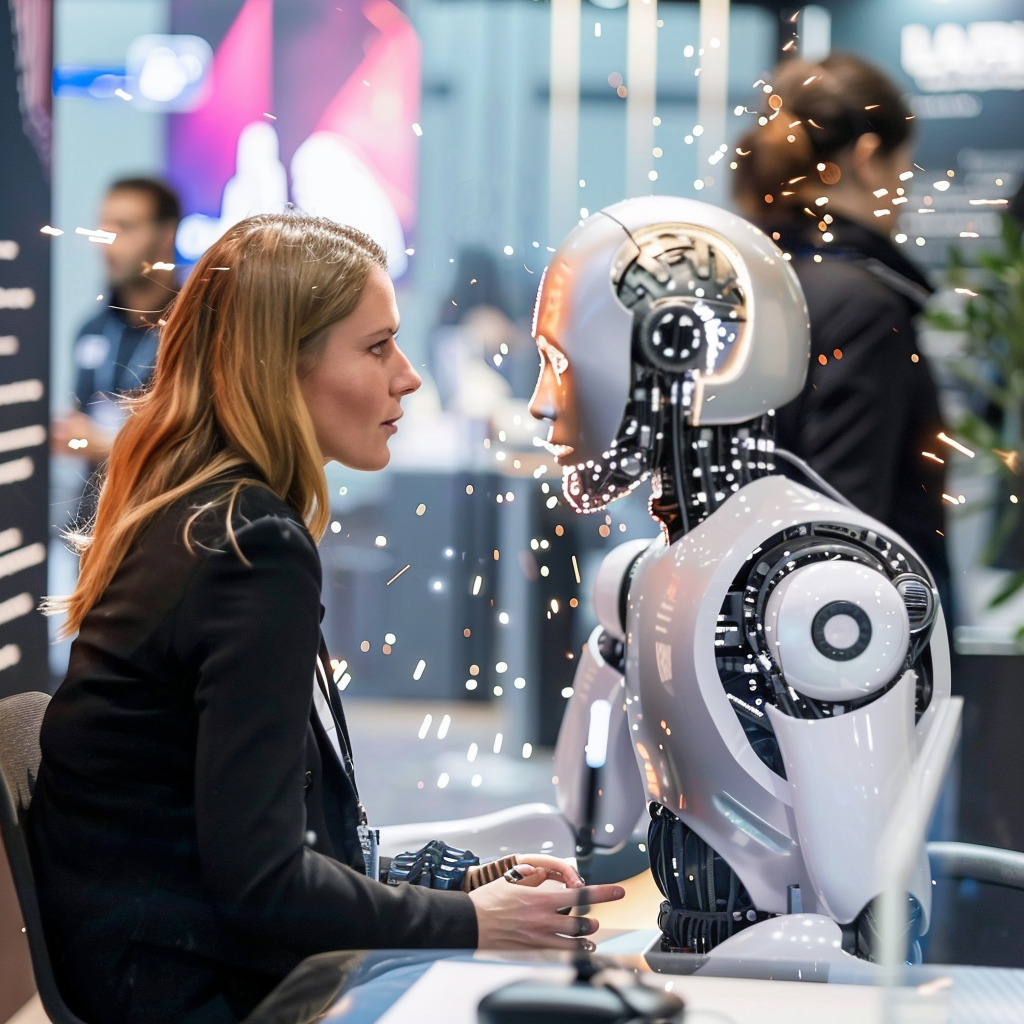
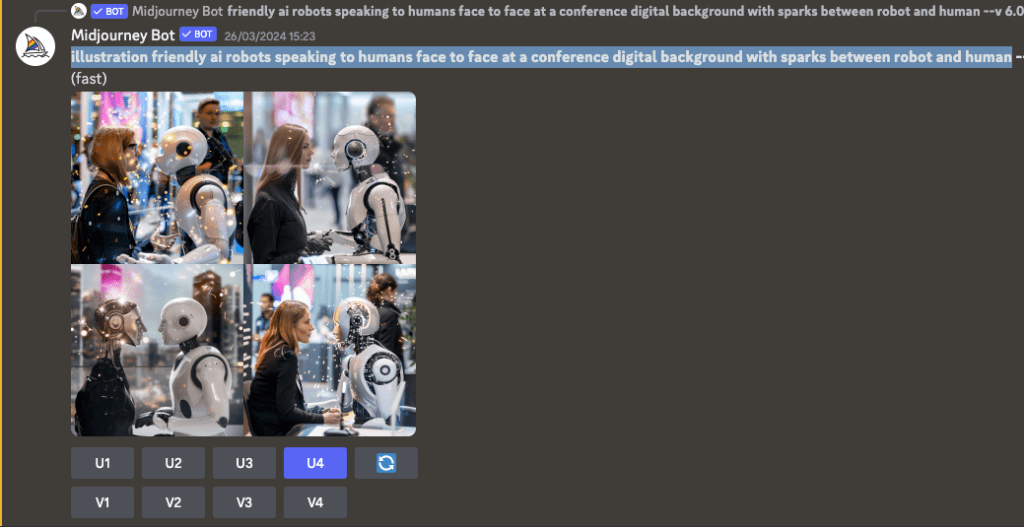
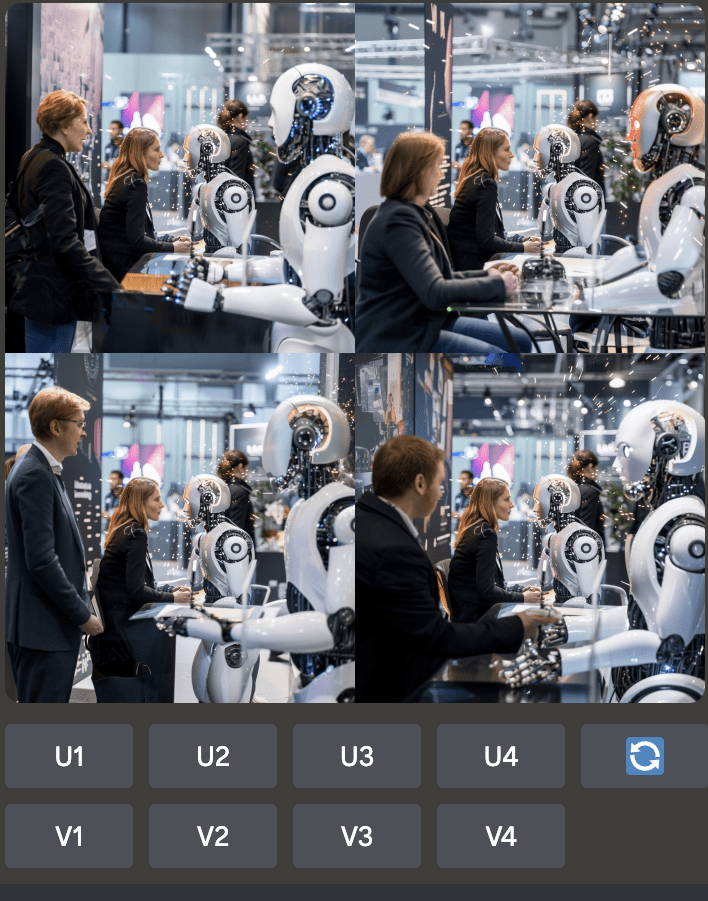
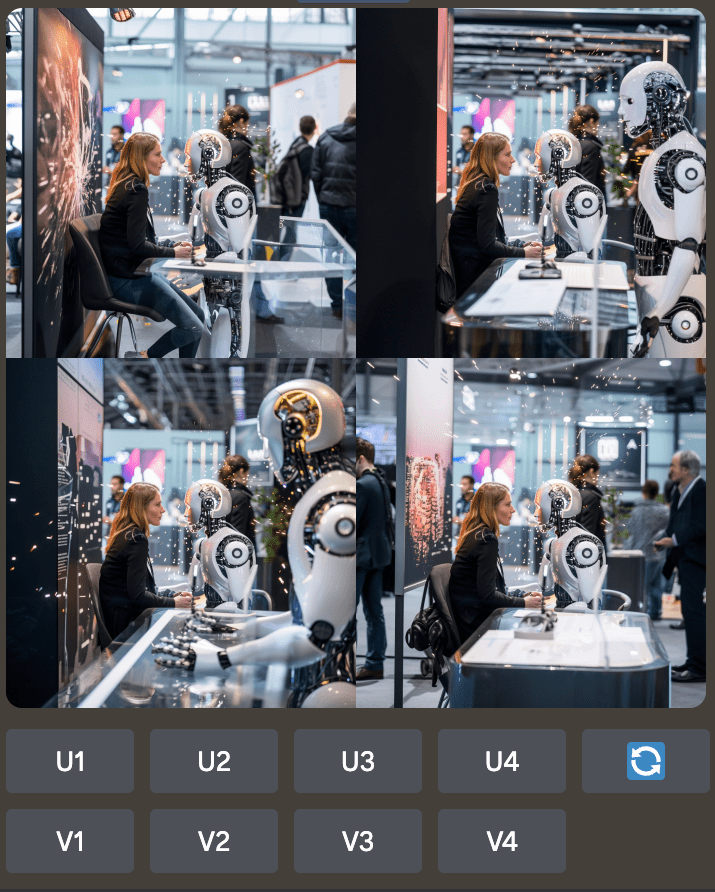
I’m wondering if I would have the same emotional response when looking at art that has been generated by AI. I’ve tried using Midjourney and it requires a lot of input and experimentation before achieving the desired outcome. But, does this really count as a creative process? Iteration and refinement are undoubtedly important aspects of artistic creation, which artists often labour over in their pursuit of perfection. However, how does this process compare when you know that most of the hard work was done by computer processing?
Then there is the issue of theft. Does scraping the internet for source images originally created by others legal or even moral? But then is that not what artists have done for millennia? Seeking inspiration from the great masters, apprenticing and training at art colleges, being inspired by others?
It will be fascinating to see if we will have the opportunity to visit AI art museums in the future. I wonder if the human stories associated with the art will be replaced by descriptions of the generative prompt.

©Jennifer Martin 2024
 Jennifer Martin Design