Artists and Algorithms

TIME TO READ: 2 MINUTES
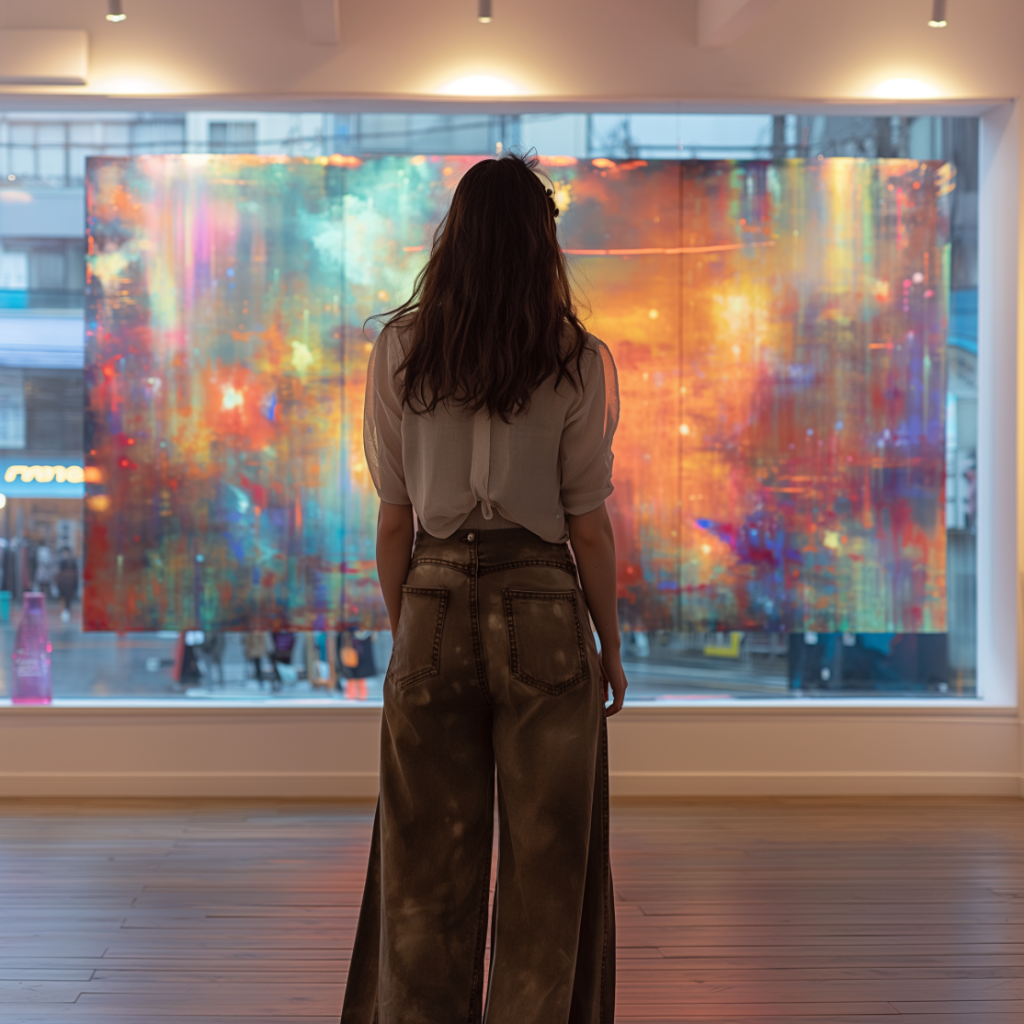
How do we value what is human-made versus what is machine-made?

I took a trip to the recently refurbished Burrell Collection in Glasgow and marveled at the skill and the talent of creators who lived many hundreds and in some cases thousands of years ago. Each piece, whether an impressive life-size monk sitting in contemplation titled ” The Figure of a Luohan” from the Ming Dynasty of 1484, to the miniature of Auguste Rodin’s Thinker from 1880, to the light immediacy of The Red Ballet Skirts by Edgar Degas from 1900, was a joy. I couldn’t help but feel connected to the creator’s imagination, skill, and life experience they had brought to their art. Every piece had a story behind it.

I’m wondering if I would have the same emotional response when looking at art that has been generated by AI. I’ve tried using Midjourney and it requires a lot of input and experimentation before achieving the desired outcome. But, does this really count as a creative process? Iteration and refinement are undoubtedly important aspects of artistic creation, which artists often labour over in their pursuit of perfection. However, how does this process compare when you know that most of the hard work was done by computer processing?

Then there is the issue of theft. Does scraping the internet for source images originally created by others legal or even moral? But then is that not what artists have done for millennia? Seeking inspiration from the great masters, apprenticing and training at art colleges, being inspired by others?

It will be fascinating to see if we will have the opportunity to visit AI art museums in the future. I wonder if the human stories associated with the art will be replaced by descriptions of the generative prompt.

Logo for designer Jennifer Martin who specialises in animation, video, creative concepts, illustration, web, infographics, and design solutions.

©Jennifer Martin 2024

A new Journey to image creation

TIME TO READ: 2 MINUTES

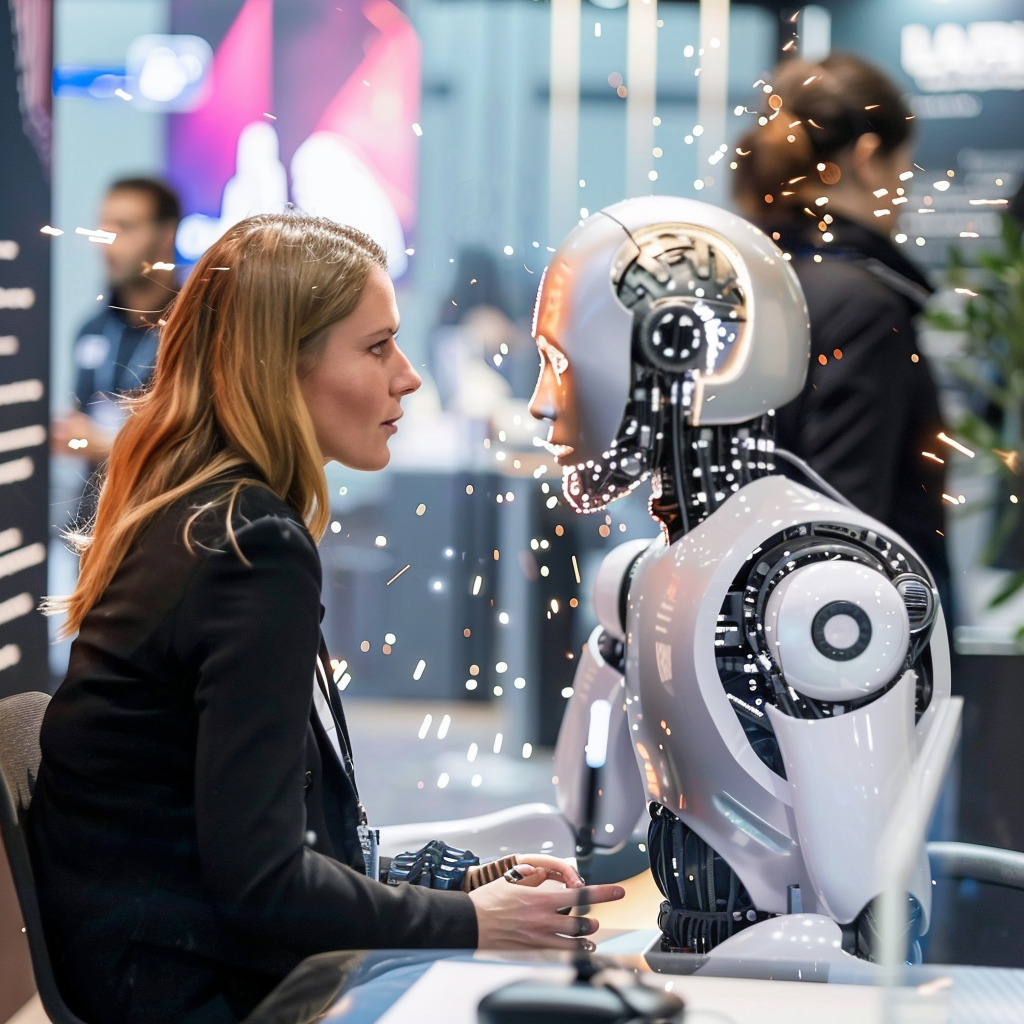
AI generated image using Midjourney of a lady sitting down looking at a robot.

I signed up for a Midjourney course that claimed to teach me how to create a “beautiful piece of AI-generated art”. However, I was somewhat sceptical about the process. Could I really create accurate images using only text prompts, or would my creation end up looking more like Frankenstein’s monster than a masterpiece by Frida Kahlo?

Setting up Discord and joining the Midjourney Server are the main prerequisites to start creating AI artwork. To gain access to Midjourney, you need to install Discord and set up an account. Navigating to the Midjourney homepage in Chrome, and signing in, your info is magically beamed to your Discord app.

You then have the chance to give yourself a display name – “Design Voyager” perhaps? Follow the instructions for installation and then “claim” your account. Once verified by email you are ready to create your own server and “invite” the Midjourney bot to play there. You can actually invite others to your server and they can interact with the Midjourney bot themselves. At this point, I realised the basic plan was not going to be enough for what I wanted to do so I was compelled to hit the subscribe button and make a purchase!

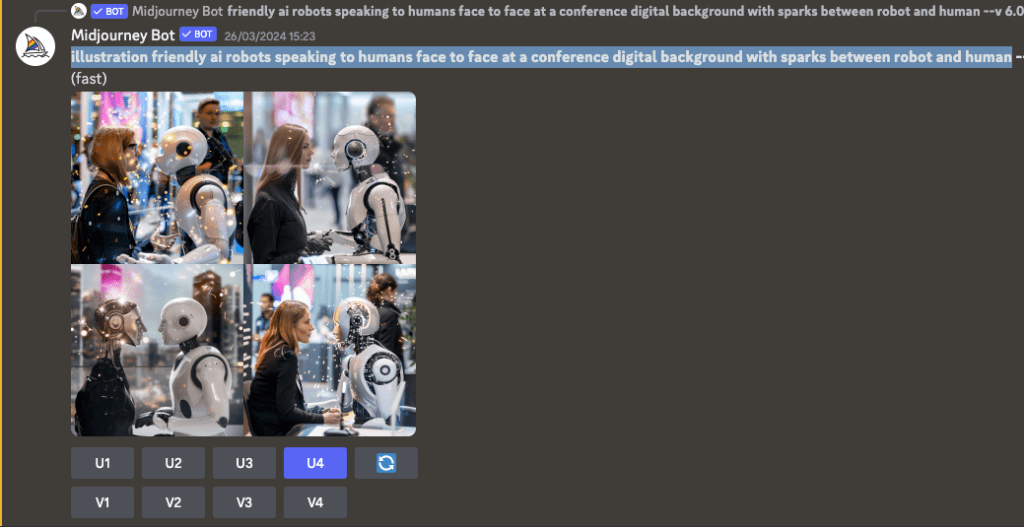
Screen shot of Midjourney app showing 4 images generated with a text to image prompt.

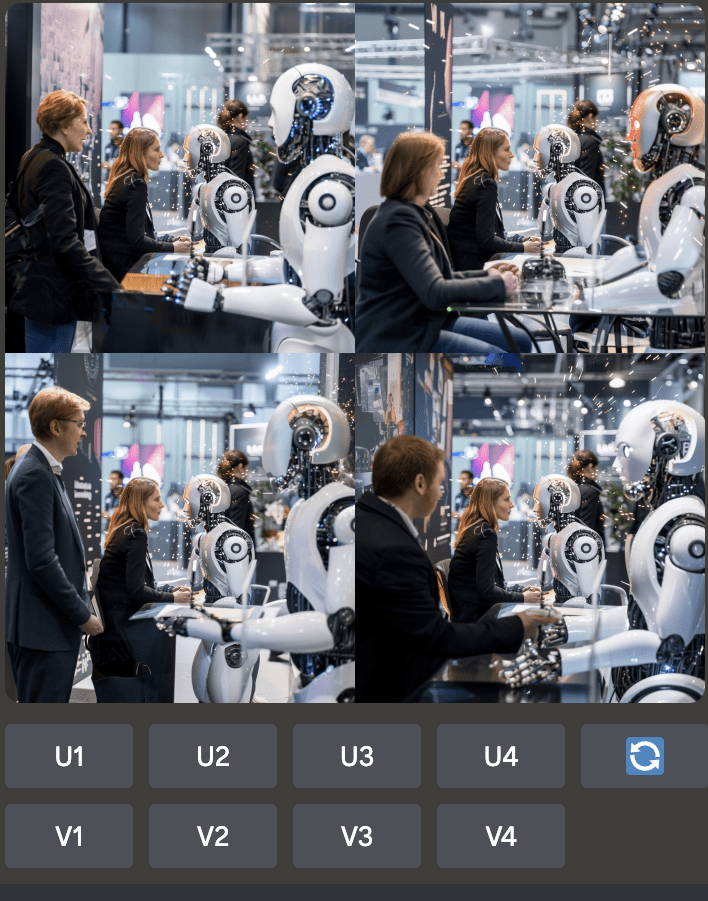
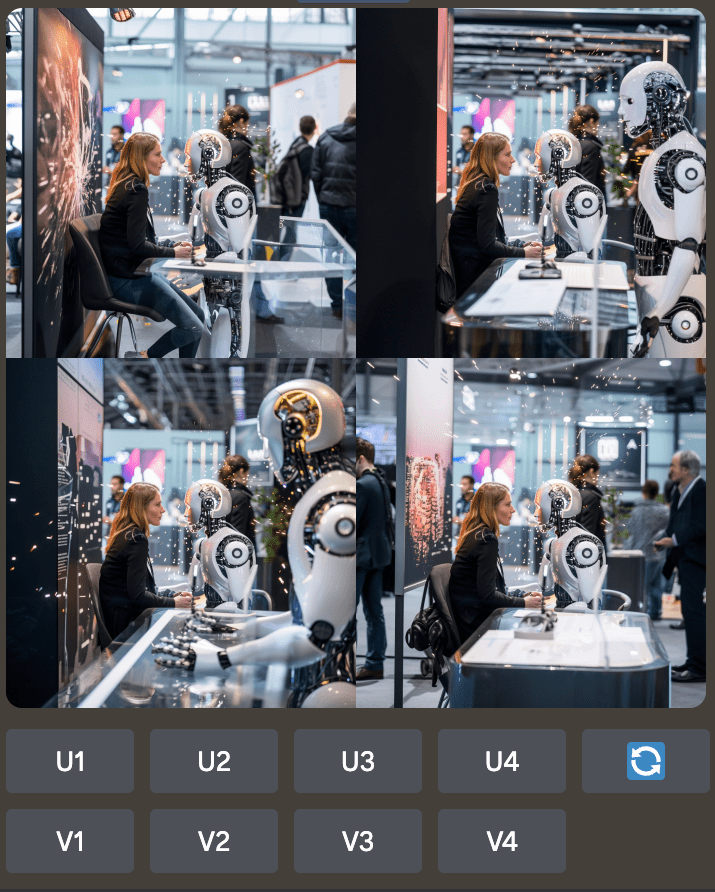
I hit the Remix button to alter and enhance the prompt or type in the prompt bar /settings to access more options. I scaled out by 1.5x or 2x to add to the image – a function very similar to Photoshop’s generative fill, and used the Stylize options to create more variations – the higher the stylized settings the crazier the output! It’s also worth noting it does take a bit of time to process the final results depending on the complexity and current demand.

There is a bit of trial and error involved, but I believe that’s what makes it challenging and appealing. While there are ongoing legal debates regarding copyright, would it be useful for commercial images? Possibly for digital output and definitely valuable for generating ideas, concepts and storyboarding. I’ll have to make use of that subscription and explore more!

Logo for designer Jennifer Martin who specialises in animation, video, creative concepts, illustration, web, infographics, and design solutions.

©Jennifer Martin 2024

AI vs Designers: Will Tools Replace Creativity?

TIME TO READ: 2 MINUTES

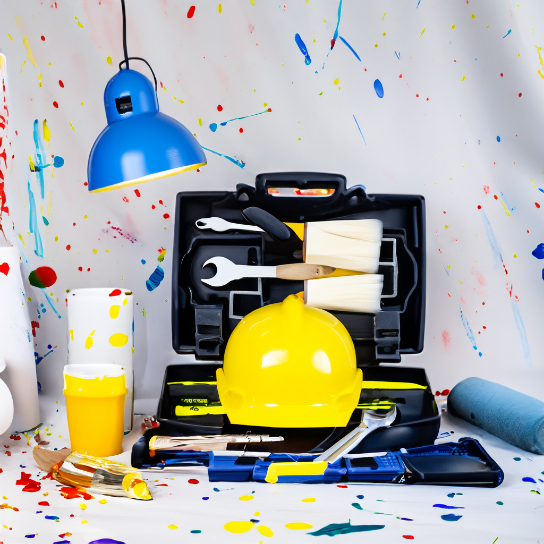
To illustrate the designer's tool box. Tool box with builders hard hat. Paint splattered background. Light hanging down from ceiling.

IMAGE PROMPT: designer’s tool box filled with lots of different tools on a bench with a lamp hanging down white space at top builders hard hat set square paint brushes background paint splattered wall with studio lighting

Generated in Photoshop 2024


Inspired by a course I completed recently on Advanced Creative Thinking and AI: Tools for Success, from Imperial College London, I decided to delve deeper into the AI vs Designers dilemma.

While some fear that AI will replace designers altogether, I think the reality is more nuanced. Rather than displacing human designers, AI is reshaping the nature of their work. Instead of being seen as a threat, AI is increasingly viewed as another essential tool in the designer’s toolbox. Designers are using AI to enhance their creativity, improve efficiency, and explore new exciting possibilities.

With AI technologies like machine learning and generative design, designers now have access to powerful tools that can enhance their capabilities and streamline workflows. Tasks that once demanded hours of manual labour, such as image editing, layout optimisation, can now be automated, allowing designers to focus more on ideas, concepts, innovation and collaboration. It’s revolutionising job roles and freeing time for creativity.

However, the question remains: Will AI eventually replace designers? The answer lies in understanding that AI is not a substitute for human creativity; rather, it’s a catalyst for innovation. While AI can automate certain aspects of the design process, I believe it cannot replicate the depth of human emotion, intuition, and cultural understanding that designers bring to their work. Moreover, AI lacks the ability to form entirely original ideas or understand the broader context of a design project.

However, to succeed in this AI-driven landscape, I think designers must embrace this new technology and adapt to its possibilities. Those who resist or ignore AI risk being left behind in an increasingly competitive market. Instead of fearing displacement, designers should see AI as an opportunity to evolve their skill sets, explore new avenues of creativity, and deliver more value to their clients.

The impact of AI on the design community is profound and multifaceted. While it’s reshaping job roles and workflows, AI is not a threat to designers but rather a powerful ally in their quest for innovation. To thrive in this AI-driven era, designers must embrace technology, adapt to new methodologies, and continue to push the boundaries of creativity. By doing so, they can ensure their relevance and significance in an increasingly digital and interconnected world.

Blog outline written first with ChatGPT and Grammarly….and then enhanced and edited by a real human.

Logo for designer Jennifer Martin who specialises in animation, video, creative concepts, illustration, web, infographics, and design solutions.

©Jennifer Martin 2024